Travel Tips

How to Get Visa

Most European travelers can easily obtain an Electronic Travel Authorization (ETA) online before arriving in Sri Lanka. The process is simple and takes just a few minutes. Visit the official ETA website (www.eta.gov.lk) and complete the application form with your passport details, travel dates, and contact information.

The ETA is typically approved within 24 hours and is valid for 30 days. You can extend your stay up to 90 days by visiting the Department of Immigration in Colombo. The cost is approximately $50 USD for most nationalities. Make sure your passport is valid for at least 6 months from your date of entry. Print a copy of your ETA approval to present at immigration upon arrival.

Visa Information
Currency Exchange

How to Exchange Money

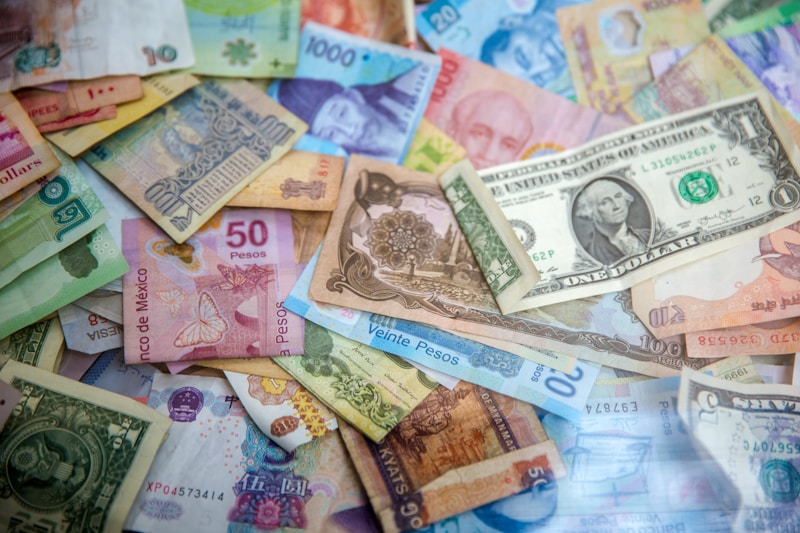
The Sri Lankan Rupee (LKR) is the official currency. While credit cards are widely accepted in hotels, restaurants, and larger shops in tourist areas, it's advisable to carry cash for small purchases, tuk-tuk rides, and visits to local markets. ATMs are readily available in cities and tourist destinations, offering competitive exchange rates.

You can exchange currency at the airport, banks, or authorized money changers. Banks typically offer better rates than hotels. Major currencies like Euro, US Dollar, and British Pound are easily exchanged. Inform your bank before traveling to avoid card blocks. It's recommended to carry a mix of cash and cards. Small denominations are useful for tips and small purchases.

Tip: Always check the exchange rate before converting money and keep receipts for your records.

How to Wear Clothes

Sri Lanka has a tropical climate, so lightweight, breathable clothing is ideal. However, it's important to dress modestly, especially when visiting religious sites. When entering temples or sacred places, both men and women should cover their shoulders and knees. Remove shoes and hats before entering.

For beach areas, casual resort wear is acceptable, but avoid wearing swimwear outside beach zones. Bring a light jacket or shawl for air-conditioned spaces and cooler highland areas like Nuwara Eliya. Comfortable walking shoes are essential for temple visits and hiking. Sun protection is crucial – pack sunscreen, sunglasses, and a hat. During monsoon seasons, carry a light rain jacket or umbrella.

Packing Essentials:
  • Light, modest clothing for temple visits
  • Comfortable walking shoes
  • Swimwear for beaches
  • Light jacket for highlands
  • Sun protection (hat, sunglasses, sunscreen)
  • Insect repellent
Cultural Dress Code

More Essential Travel Tips

Transportation

Sri Lanka offers various transportation options including private cars with drivers, tuk-tuks, trains, and buses. We recommend hiring a private driver for comfort and flexibility. The scenic train journey from Kandy to Ella is a must-experience. Tuk-tuks are great for short distances – always negotiate the fare beforehand.

Food & Spicy

Sri Lankan cuisine is flavorful and often spicy. Rice and curry is the staple dish. Don't hesitate to ask for mild versions if you're not accustomed to spice. Try local specialties like hoppers, kottu, and fresh seafood. Drink bottled water and eat at reputable restaurants to avoid stomach issues. Fresh tropical fruits are abundant and delicious!

Cultural Etiquette

Sri Lankans are warm and friendly. Greet with "Ayubowan" (may you live long). Avoid public displays of affection. Never point your feet at people or religious objects. Don't touch anyone's head, as it's considered sacred. Photography is restricted in some temples – always ask permission. Tipping is appreciated but not mandatory.

Safety & Health

Sri Lanka is generally safe for travelers. Take standard precautions with valuables. Drink bottled water and use mosquito repellent, especially in wildlife areas. Travel insurance is highly recommended. Emergency numbers: Police 119, Ambulance 110. Most hotels and tourist areas have English-speaking staff.

Connectivity

WiFi is available in most hotels and restaurants. Consider buying a local SIM card for data – Dialog and Mobitel offer tourist packages. Coverage is good in cities and tourist areas. International roaming can be expensive. Many attractions now accept digital payments, but cash is still king in rural areas.

Best Time to Visit

Sri Lanka is a year-round destination! December to March is ideal for the west and south coasts. April to September is best for the east coast. The hill country is pleasant year-round. Avoid October-November due to monsoons. Book early for peak season (December-January) when European travelers flock to escape winter.

Ready to Explore Sri Lanka?

Let us help you plan the perfect trip with all the insider knowledge